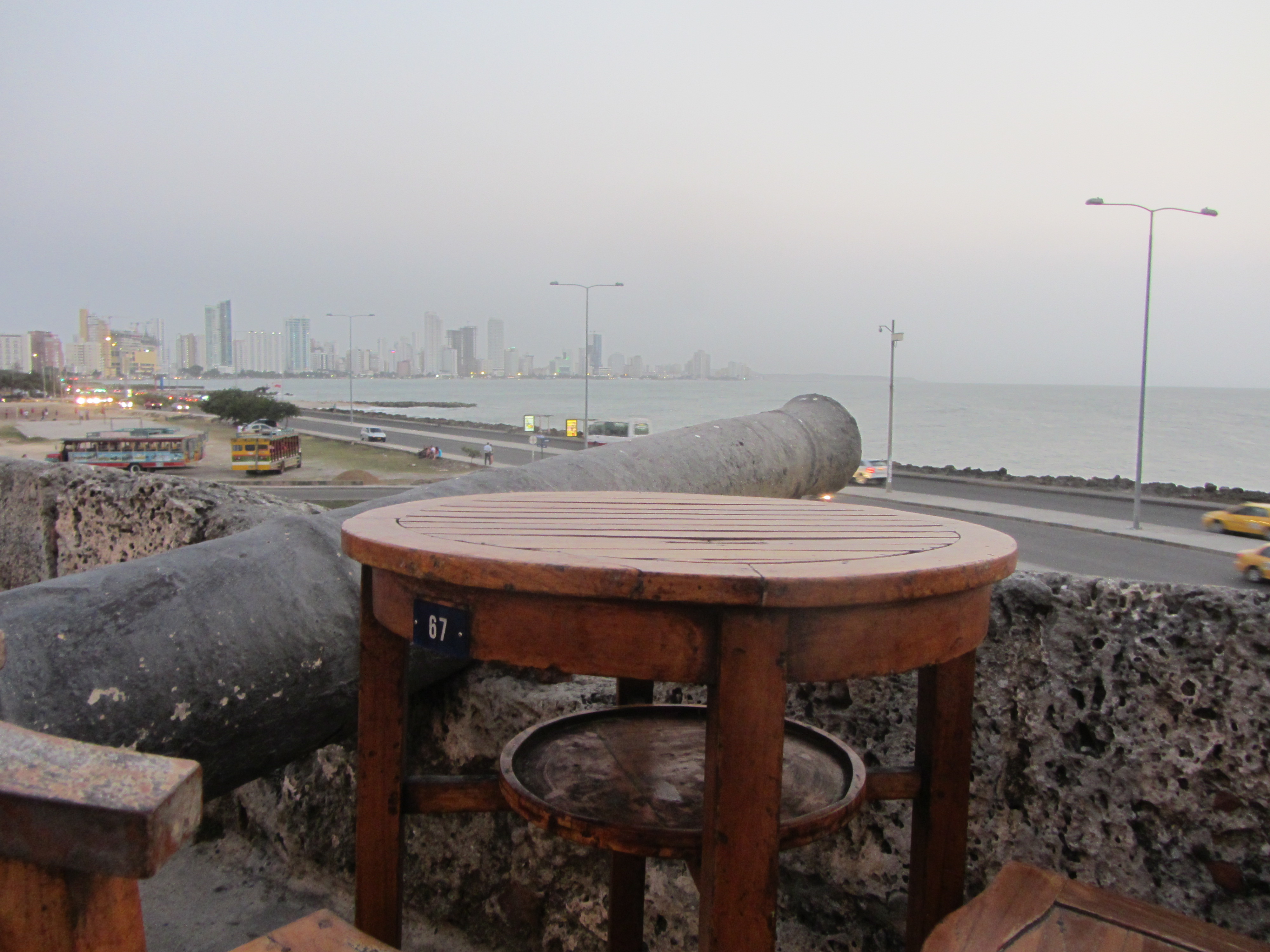
When I decided to explore Colombia, I had received reactions of shocked faces among my friends and family as to why am I risking my life to visit this country. If they had heard of Cartagena at all, it was only as the backdrop of the classic 1980s romantic caper Romancing the Stone, a place of corrupt juntas and bodice-ripper-reading drug dealers — a parody turned deadly serious by four decades of civil war, Pablo Escobar and cocaine cartels! They failed to realize is that Cartagena has become one of the Caribbean’s most charming hidden gems.
 Cartagena’s Old Town was once ransomed to the Spanish crown for 2 million gold pieces by Sir Francis Drake, and it was for centuries Spain’s vault for its vast South American holdings. The city earned the nickname La Heroica, having endured hundreds of sieges throughout the 17th and 18th centuries — as evidenced by the 400-year-old walls, made of mined coral, that encircle the city.
Cartagena’s city walls, which at some edges dramatically skirt the sea, are the best-kept in all the Americas. Its cultural life is vibrant, its bookshops full, its academic activities thriving. And yet it is still a busy city with a street life, where you can 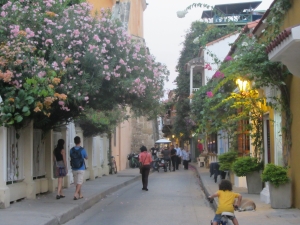 buy a slice of watermelon on your way to pick up a newspaper and get lost in the throngs of people stocking up on groceries or eyeing up cut-price fabrics.
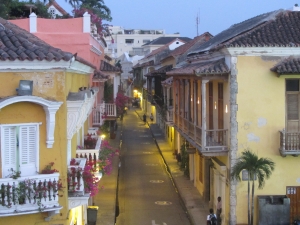
It’s a place where there’s always somewhere to stop for locally sourced coffee, where old-world barbers have their doors flung open to the street, where houses are painted electric blue or sunshine yellow, door knockers are shaped like lizards and decorative wooden balconies are covered in bougainvillaea.
Visitors do not have to venture far to realise that Cartagena’s greatest export is its novels: García Márquez, who set up a school of journalism in the city in memory of his training there, still owns a house near the city walls.
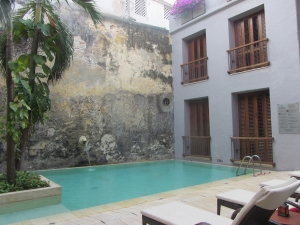
Staying in one of the oldest private houses in the historic district of Cartagena, which most of them have undergone a renovation and usually
have between 5-10 rooms, with a pool in a courtyard or on the rooftop with balconies reflecting the European architecture. A host of new upscale boutique hotels and restaurants have opened there recently, and more are under construction, many in renovated historic townhouses.
It’s no wonder that travellers are fast discovering this city!